
In recent years, I’ve seen more and more teams treat inbound vs outbound sales like it’s a choice. Which works better? Which works faster? Where should we invest? But in practice, the most successful revenue teams don’t choose one over the other. They use both because each plays a different, equally important role in driving predictable growth.
Inbound builds credibility over time. It allows buyers to organically discover your brand through content, referrals, and self-directed research. Most buyers complete a significant portion of their research before ever speaking with a salesperson. Inbound creates trust and familiarity, which are essential for buyers who want to feel informed and confident in their decisions.
Outbound, on the other hand, creates momentum. The outbound sales definition has evolved far beyond cold emails and unsolicited pitches. It’s no longer just “smiling and dialing.” Modern B2B outbound sales is about introducing your brand to the right people, at the right time, with the right context. It introduces your solution to ICP-fit buyers who are already experiencing the problems you solve, even if they don’t know it yet.
When done well, outbound doesn’t feel like an interruption. It feels like discovery. When inbound and outbound work together, they create a unified growth system that both attracts and generates opportunities. The result is more consistency, more qualified conversations, and a healthier, more predictable pipeline.
1. Outbound Introduces Your Brand Before Inbound Demand Exists
Inbound marketing has been proven incredibly effective, but it only captures buyers who are already searching. By the time someone fills out a form, downloads a resource, or requests a demo, they’ve already recognized a problem and started evaluating solutions. Inbound meets buyers where demand already exists. But it doesn’t create that initial awareness.
Outbound fills that gap.
A modern outbound sales strategy allows you to proactively introduce your brand to ICP-fit prospects before they begin searching for solutions. Often, you reach them while they’re still trying to understand the problem. Instead of waiting for buyers to find you, outbound creates intentional visibility with the people most likely to benefit from your offering.
This is the foundation of effective outbound sales lead generation. You’re not chasing random contacts or relying on chance discovery. You’re focusing your message on the right companies, roles, and buying environments where your solution naturally fits and can deliver meaningful value.
This early introduction creates something incredibly valuable: recognition.
When buyers eventually reach the point where they’re ready to evaluate options, your brand isn’t new. They’ve seen your name. They’ve encountered your content. They may have received outreach that addressed challenges relevant to their role. Your company becomes part of their consideration set before the formal buying process even begins.
This is why outbound sales strategies remain so effective. They don’t force urgency where none exists. They create awareness early, build recognition over time, and position your brand as a credible solution when the moment of need arrives. Instead of competing as an unknown vendor, you enter the conversation as a familiar and trusted option.
2. Inbound Builds Awareness. Outbound Creates Momentum.
Yes, inbound is one of the most effective long-term growth drivers. But that process can take months—or longer—to consistently translate into pipeline. It takes time to build credibility, authority, and trust.
Outbound accelerates that timeline.
A modern B2B outbound sales strategy creates focused opportunities by introducing your brand directly to ICP-fit prospects. Outbound allows you to target companies and stakeholders who are already aligned with your solution. This creates immediate momentum in your pipeline and gives your sales team more opportunities to engage in meaningful conversations.
This is especially valuable for mid-market companies that are looking for more “at-bats.” Sales teams perform best when they have a clear list of accounts to focus on. Outbound provides that focus. It narrows the field from the entire market to a defined set of high-fit companies, allowing sellers to prioritize their time and energy where they are most likely to produce results.
Outbound shifts sales from passive to proactive. Instead of waiting and hoping the right buyer finds you, your team can focus on the accounts that matter most. This creates a more predictable and controllable pipeline, rather than one dependent entirely on inbound timing.
For many growing organizations, partnering with an outbound sales agency or leveraging dedicated outbound resources can be particularly effective. External partners can provide the infrastructure, messaging, and workflows needed to generate pipeline, allowing internal teams to focus on conversations and closing.
3. Outbound Reveals What Messaging Actually Resonates
Inbound content is often built on informed assumptions, but outbound validates what’s actually true. Even with strong persona research, there’s still a gap between what teams think buyers care about and what buyers actually say when making decisions. Outbound can help sales teams understand real-world buying considerations through direct conversations with the people they’re trying to reach.
This is one of the most overlooked benefits of a strong outbound sales strategy.
Every outreach message, reply, and discovery call becomes a feedback loop. Sales teams hear firsthand what prospects are struggling with, what priorities are driving their decisions, and what objections are slowing them down. They learn which messages spark interest and which ones fall flat. These insights are far more precise than engagement metrics alone because they come directly from real buyers in real conversations.
This feedback strengthens inbound marketing.
When marketing understands the exact pain points, decision triggers, and objections affecting sales, they can create content that reflects those realities. Articles become more relevant. Case studies address real concerns. Offers align with what buyers actually need help solving. This is how inbound evolves from generic thought leadership into targeted content that accelerates trust and engagement.
This alignment also makes your outbound sales lead generation efforts feel helpful rather than disruptive. Instead of guessing what buyers care about, your team speaks directly to the challenges they are already facing. This is one of the most important outbound sales tips: relevance, not volume, earns attention.
4. Outbound Sales Automation Turns Buyer Behavior Into Opportunity
One of the biggest shifts in the inbound vs outbound sales conversation is the role of automation. In the past, outbound relied heavily on manual effort. When I was selling pharmaceuticals early in my career, I had to blindly choose who to contact, when to reach out, and what to say. Thankfully, those days are over.
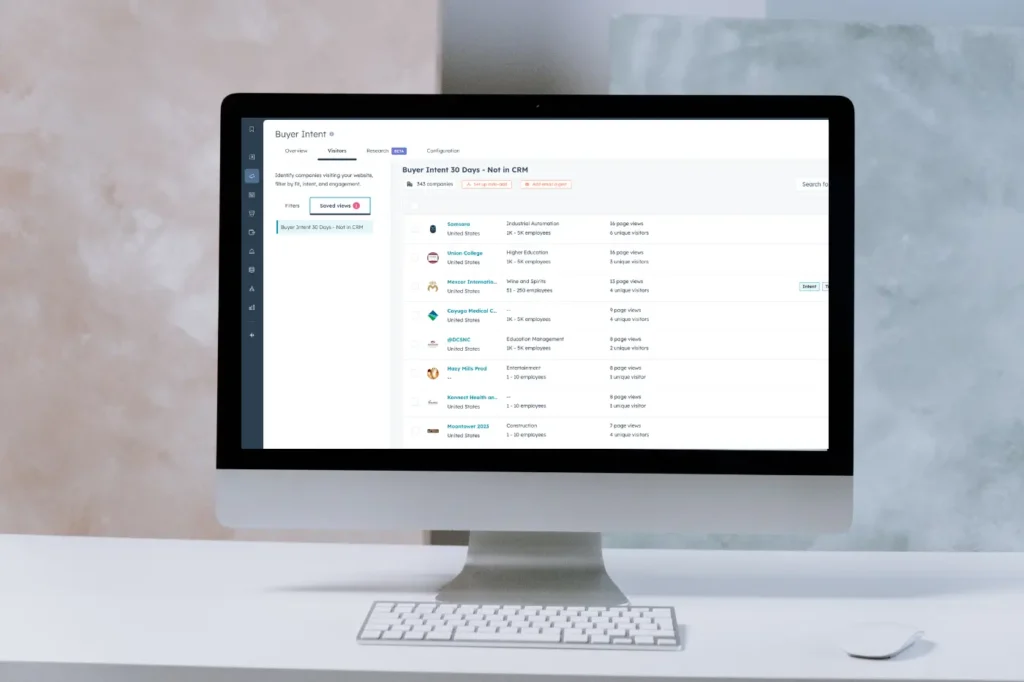
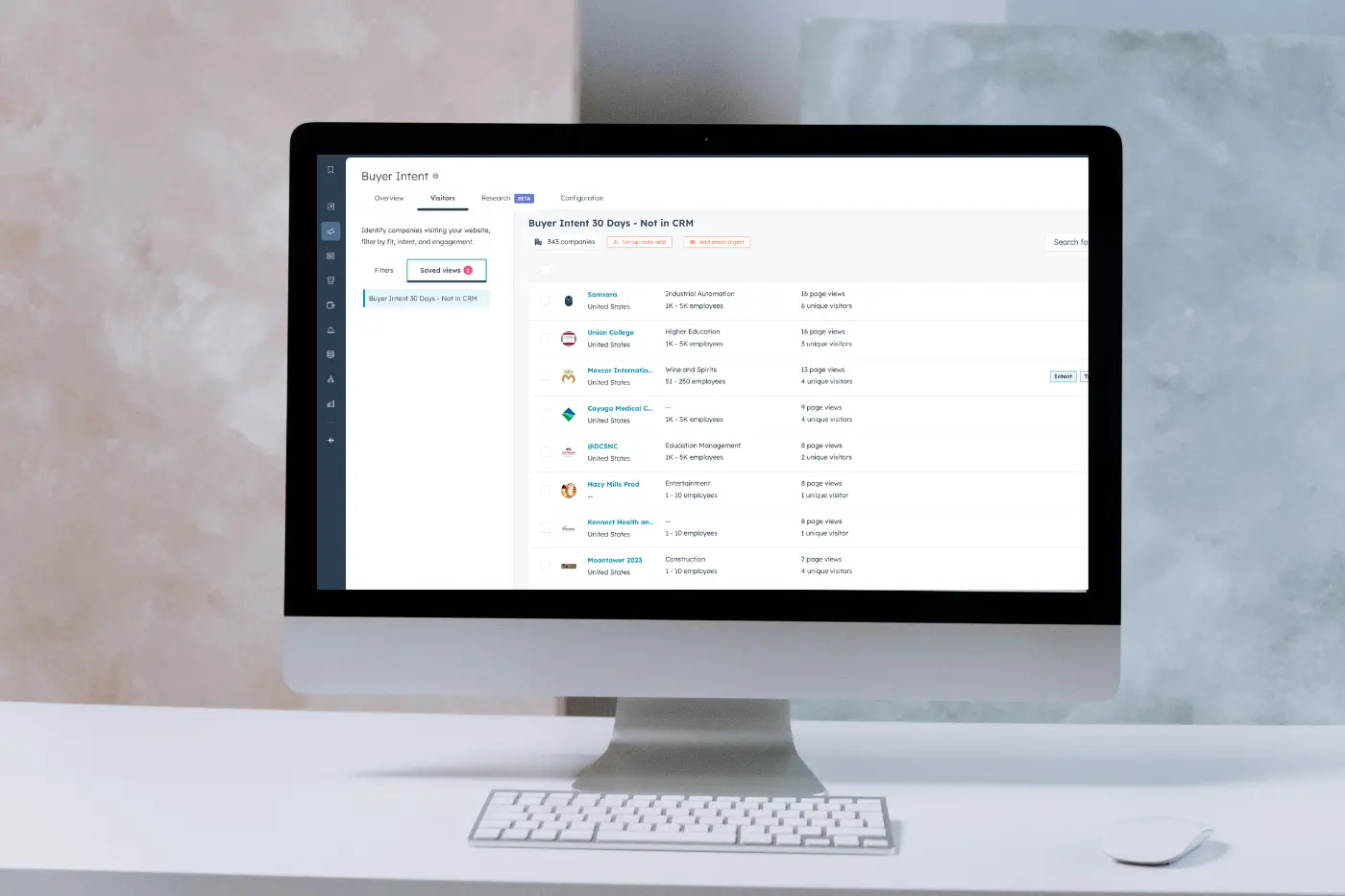
Today, outbound sales automation removes much of that guesswork by turning buyer behavior into actionable signals. Modern outbound sales software allows you to track how prospects engage with your content. You can see when someone visits your website, reads key articles, opens emails, or spends meaningful time on solution pages. These actions indicate interest far more accurately than static contact data or gut feelings. Instead of reaching out blindly, sales teams can prioritize outreach based on real engagement.
The best CRM for outbound sales doesn’t just store contact information. It connects inbound and outbound activity into a single, visible timeline. Platforms like HubSpot allow teams to see which contacts engaged with content, how frequently they interacted, and where they are in the buying journey. This visibility helps sales teams understand when a prospect may be actively evaluating solutions, making outreach more timely and relevant.
Instead of relying on memory or manual tracking, outbound sales automation can trigger alerts when high-value prospects engage with your content. It can enroll contacts into nurture sequences, assign follow-up tasks to sales, and prioritize outreach based on intent signals. This transforms outbound from a manual guessing game into a structured, data-driven process.
5. Outbound Helps Your Best Content Reach the Right Buyers
Creating strong inbound content is only half the equation. The other half is making sure the right people actually see it. Many companies invest heavily in articles, case studies, and resources, but then rely entirely on search engines or social algorithms to distribute them.
This is where outbound sales strategies become a force multiplier for your marketing investment. Instead of waiting for the right buyers to find your content, outbound sales strategies let you introduce those resources directly to the people they were designed to help.
A thoughtful email can point a prospect to an article that addresses a challenge in their role. A LinkedIn connection can introduce a relevant case study. Retargeting ads can reinforce those insights over time.
These touches create discovery, helping buyers engage with your brand on their terms. This is the power of syncing audience, content, and offer. A strategic approach transforms content into a true outbound sales lead-generation asset.
Content builds credibility. Outbound delivers that credibility to the right audience. Prospects want relevant, educational content before speaking with a sales representative. It allows conversations to start at a higher level. Buyers already understand your perspective, your expertise, and the value you provide. That familiarity shortens ramp time and increases the likelihood of meaningful engagement.
The Case for Inbound and Outbound Sales
Inbound vs outbound sales is not a choice. The teams seeing the most success aren’t choosing inbound or outbound. They’re building systems where both work together
Inbound builds trust at scale. It creates credibility, educates buyers, and allows your brand to be discovered organically.
Outbound allows your team to introduce your brand to the right buyers, shorten the path to meaningful conversations, and generate focused pipeline opportunities. When supported by automation, CRM data, and intentional content, outbound becomes more than outreach. It becomes a system that identifies engagement, reinforces credibility, and connects sales with buyers at the right moment.
Together, inbound and outbound create a complete revenue engine. To learn more about how you can pair strong content with effective targeting, take a look at our proven revenue generation playbook.