
For a long time, B2B outbound sales strategies were treated like an “easy button” you could just push for results. A team would buy a list, send a sequence, and wait for replies. When that stopped working, many companies concluded that outbound was “dead.” What actually died was a shallow, one-dimensional version of outbound that no longer reflects how people research, evaluate, and buy in today’s online marketplace.
Outbound as a viable tactic has not disappeared, but it has evolved. Buyers are more informed and more distracted than ever before. Years of targeted digital messaging have led them to expect relevance, value, and timing. A modern B2B outbound sales strategy is not about volume alone. It requires a system that introduces your brand in a meaningful way and creates the joy of discovery rather than a feeling of sales pressure.
Inbound vs. Outbound Sales: Why the Best Teams Don’t Choose
The debate around inbound vs outbound sales often misses the point. Inbound attracts attention over time, while outbound creates focused momentum. Both approaches are valuable, and neither can sustainably stand on its own in today’s market.
Inbound strategies build trust and authority, but they can take months or even years to create a consistent pipeline. Outbound strategies create faster conversations, but without content and context, they feel disruptive. The most effective revenue teams are not choosing one or the other. They are connecting both into a single growth system.
When inbound and outbound work together, marketing creates awareness and credibility, while sales uses outbound to introduce the brand to the right people at the right time. This is the foundation of a modern, scalable growth engine.
Why Traditional Outbound No Longer Works
What used to work in outbound was simple repetition. The same email templates, the same offers, and the same timing were enough to generate meetings. That approach collapsed as soon as every company adopted the same playbook. Buyers now recognize outbound sales automation instantly as their inboxes are flooded with nearly identical messages.
Complicating the issue is the change in buyer behavior. I see deals involving way more stakeholders than they did twenty years ago when I started in sales. The availability of information and almost endless buying options have created longer research cycles and more self-education. People often ignore outbound messaging when it doesn’t align with where they are in the buying journey. It feels disconnected from their current reality. Modern outbound must create relevance before it asks for attention.
Outbound Sales Tip: Content Is the Foundation of Success
No outbound campaign succeeds without content that proves your value. Buyers will not respond to “meet with me” messages unless they understand why you are worth their time. Content is what builds that trust before a conversation ever happens.
Strong outbound programs begin with a content audit. High-performing articles, case studies, and educational assets are identified, refined, and aligned to buyer pain points. This content becomes the bridge between first contact and meaningful engagement. Without it, outbound becomes noise instead of discovery.
The 7-Step Anatomy of a Modern Outbound Sales Strategy
A successful B2B outbound sales strategy is not a single action. It is a repeatable system that guides prospects from first exposure to conversation. This outbound sales strategy replaces spray-and-pray tactics with structured, buyer-centered outreach. While every organization will customize the details, the framework remains consistent.
1. ICP-First List Building
Everything starts with who you target. ICP-first list building means defining your ideal customer beyond job title and company size. Your team should consider business challenges, internal pressures, and the buying context. This requires documented personas and buying committee roles, including what each stakeholder cares about and how they influence the decision. Once that foundation is in place, outbound sales software tools like Apollo, ZoomInfo, and Clay help you source and enrich contacts that actually match those criteria. Without this clarity, even the best campaigns waste time chasing the wrong people.
2. Personalization That Reflects Real Pain
Personalization should show your prospect that you understand their world. The strongest messages reflect role-specific and industry-specific challenges that are relevant right now, not surface-level details you scraped from their LinkedIn profile. Instead of referencing where they went to school or where they worked five years ago, focus on the problems teams like theirs are trying to solve today. When prospects recognize their own pain in your message, it feels helpful rather than intrusive. That relevance is what earns attention.
3. Multi-Channel Distribution
Modern buyers rarely respond to a single message on a single channel. That’s why outbound must be omnichannel. Be prepared to show up across email, phone, LinkedIn, and retargeting ads to create visibility over time. Each channel reinforces the others, helping your brand feel familiar instead of random. The goal is to be remembered when your buyer is ready to engage. In today’s market, visibility matters more than volume.
4. Buyer Intent Signals
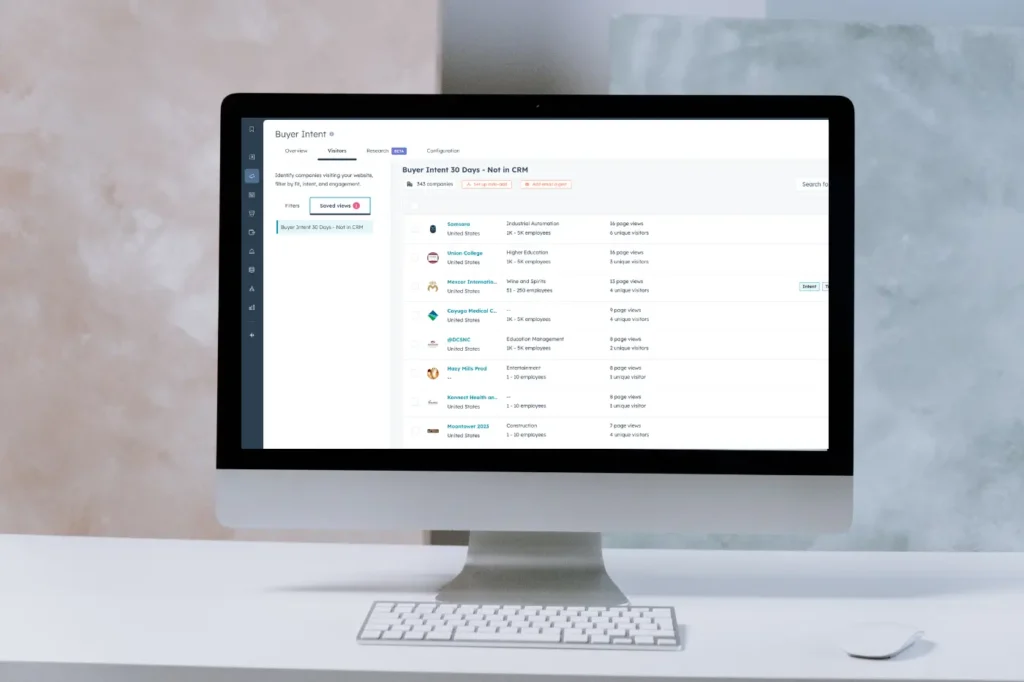
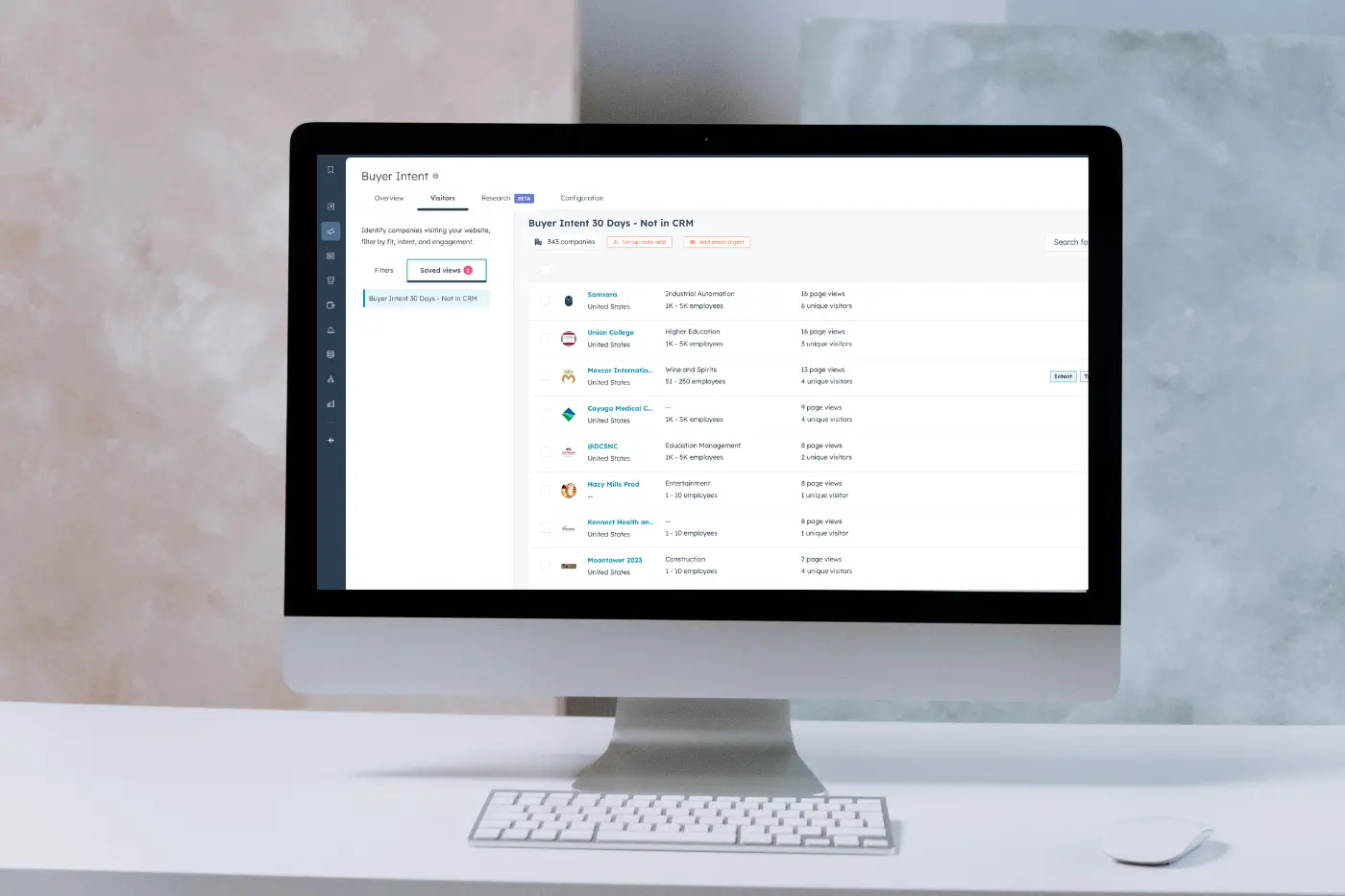
Buyer intent turns guesswork into strategy. This is where you can get some top-notch outbound sales lead generation. When a prospect visits your website, engages with content, or spends meaningful time on a page, they are raising their hand. These behaviors signal interest more accurately than job titles or firmographic data ever could. Tracking these signals allows sales teams to prioritize follow-up when interest is highest. In modern outbound, behavior beats assumptions.
5. Nurture Before You Pitch
Not every prospect is ready to buy the moment they hear from you. Nurturing means continuing the conversation through educational touches that add value and keep your brand top of mind. It also means respecting the buyer’s timing. We all know that “not now” often means “not yet.” When done well, nurture keeps the relationship warm until the moment is right. That patience creates more meaningful conversations when buyers are ready.
6. Retarget for Reinforcement
Retargeting ensures your message does not disappear after the first interaction. Paid and organic content can reinforce what sales is saying by keeping your brand visible in the places buyers already spend time. This repetition builds familiarity, which reduces friction when a prospect is finally ready to engage. Over time, consistent reinforcement creates trust and credibility. Your brand starts to feel known before a sales conversation even happens.
7. Meetings at the Right Moment
The goal of outbound is to cultivate timely conversations. By combining intent data, engagement history, and persona context, sales teams can prioritize who to contact and when. Follow-ups become relevant because they are driven by what the buyer has already shown interest in. This turns outreach into a continuation of discovery rather than an interruption. When meetings happen at the right moment, they convert at a much higher rate.
The Tech Stack for Modern Outbound Sales Teams
This framework works much harder when supported by the right technology. A modern tech stack for outbound sales is designed to capture behavior, automate workflows, and surface intent signals in real time.
List and enrichment tools like Apollo, ZoomInfo, and Clay allow teams to identify ICP-fit companies and contacts.
Outbound sales software such as Apollo, SalesForge, or CRM-based sequencing tools handle email, voicemail, and follow-up workflows.
Website visitor identification tools reveal which prospects are actively researching your brand.
Automation platforms like HubSpot connect all of this data, allowing teams to score engagement, trigger alerts, and prioritize follow-up. This combination of data and automation transforms outbound from a guessing game into a guided system. For many organizations, HubSpot remains the best CRM for outbound sales because it integrates these elements into a single platform.
For companies without in-house resources, outbound sales services can provide access to tech tools and the experience to run them. A good partner could help manage an entire outbound campaign from data to execution, so internal resources can focus on meetings and closing.
Why Automation Alone Is Not Enough
Automation without strategy or intent is simply more noise delivered faster. The real power comes from combining outbound sales automation with buyer behavior data. Automation handles the repetitive work, but buyer intent tells you where to focus.
When a prospect visits your key web pages, downloads content, or spends time researching your solution, that information becomes a signal. Automation ensures that sales teams act on those signals at the right moment. This pairing is what allows outbound to feel helpful rather than intrusive.
Outbound Is a System, Not a Shortcut
Outbound should be viewed as a long-term investment, not a short-term flip of the switch. Just as athletes train and practice before games, sales and marketing teams must build, test, and refine their system over time. Results improve through iteration, not chasing perfect solutions from the get-go.
The companies that succeed are not the ones chasing shortcuts. They are the ones willing to build a repeatable, buyer-centered system that earns attention and creates trust. When outbound is treated as a long-term strategy rather than a quick fix, it becomes one of the most powerful growth levers available.